Wondering whether Old Southwest Reno is all charm and no convenience? It is one of those neighborhoods that people tend to remember, but for practical reasons too. If you are trying to picture daily life here, this guide will help you understand the housing, street feel, nearby amenities, and what makes this part of Reno distinct. Let’s dive in.
Old Southwest at a Glance
Old Southwest Reno is best understood through the core of the Newlands Historic District, a 171-acre primarily residential area less than a mile southwest of downtown. It sits on the bluff above the south bank of the Truckee River, which helps shape both the neighborhood layout and its visual character.
Instead of feeling like a uniform subdivision, the area reflects Reno’s shift from streetcar suburb growth to early automobile suburb development. That is why you will see a mix of curving blocks and more traditional straight-line streets rather than one rigid grid.
The result is a neighborhood that feels established, layered, and distinctly in-town. You are close to the city center, but the older street patterns, changing grades, and mature trees give the area a quieter residential identity.
What the Neighborhood Feels Like
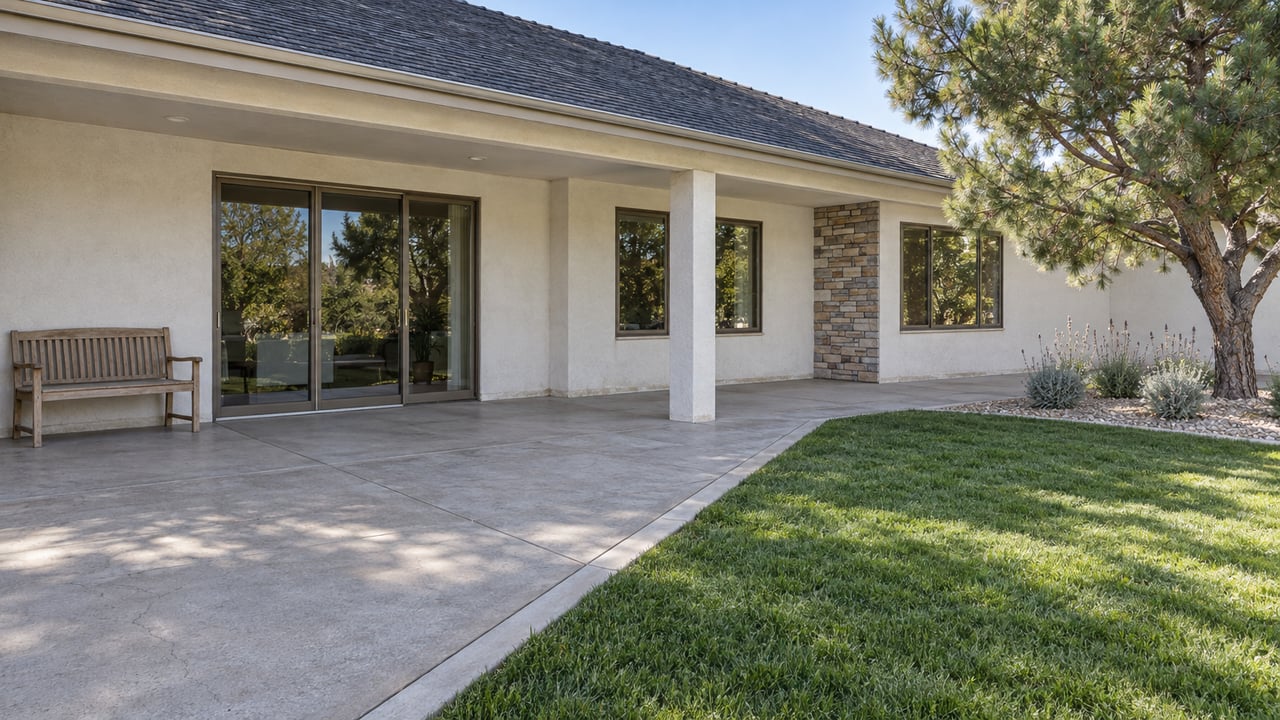
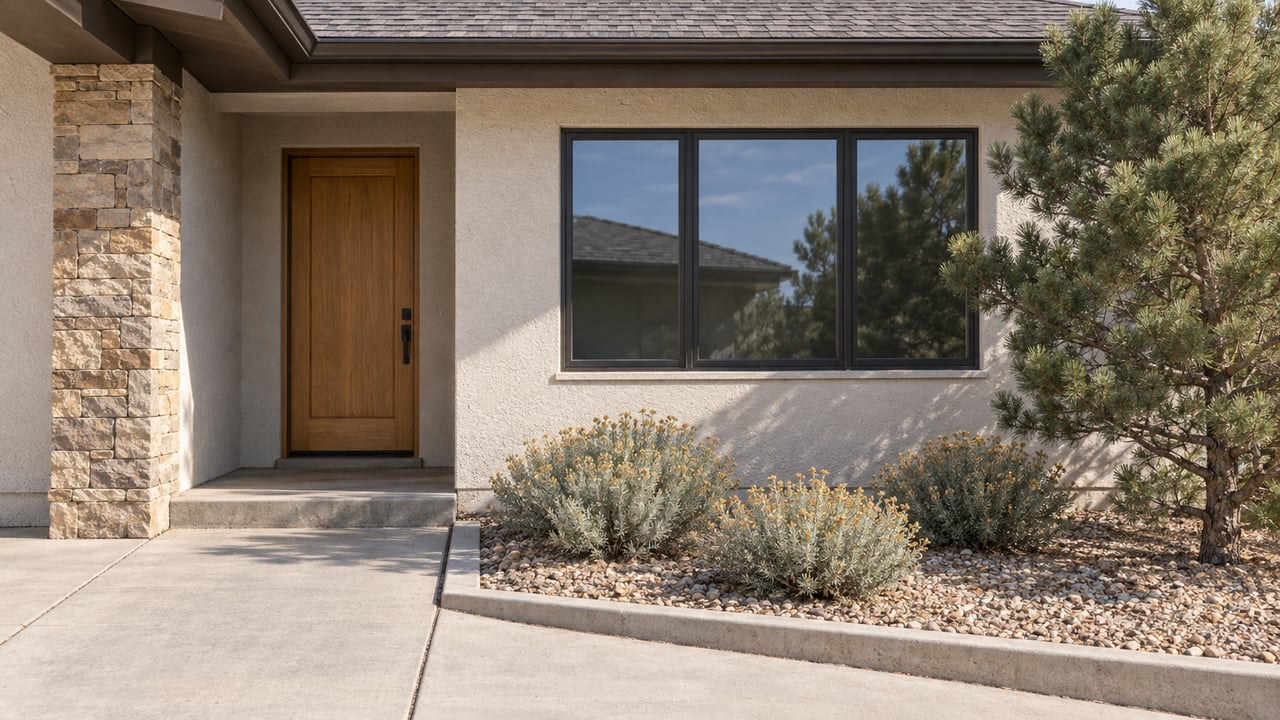
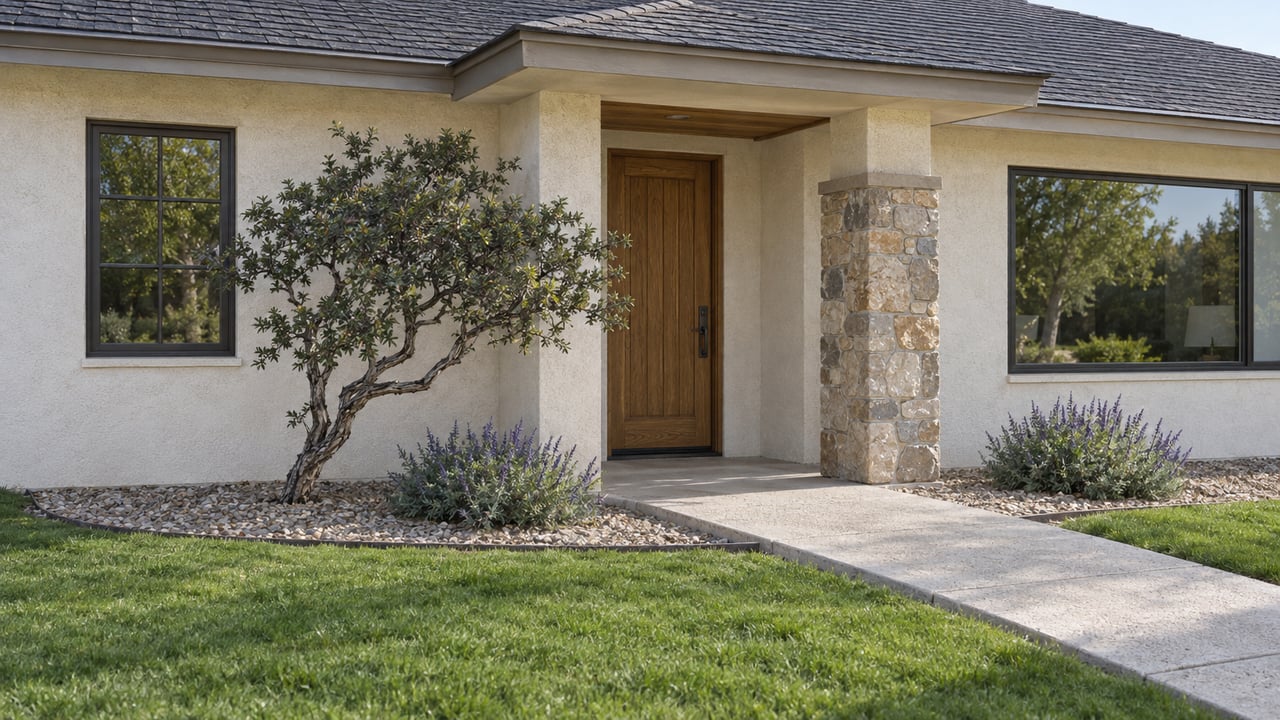
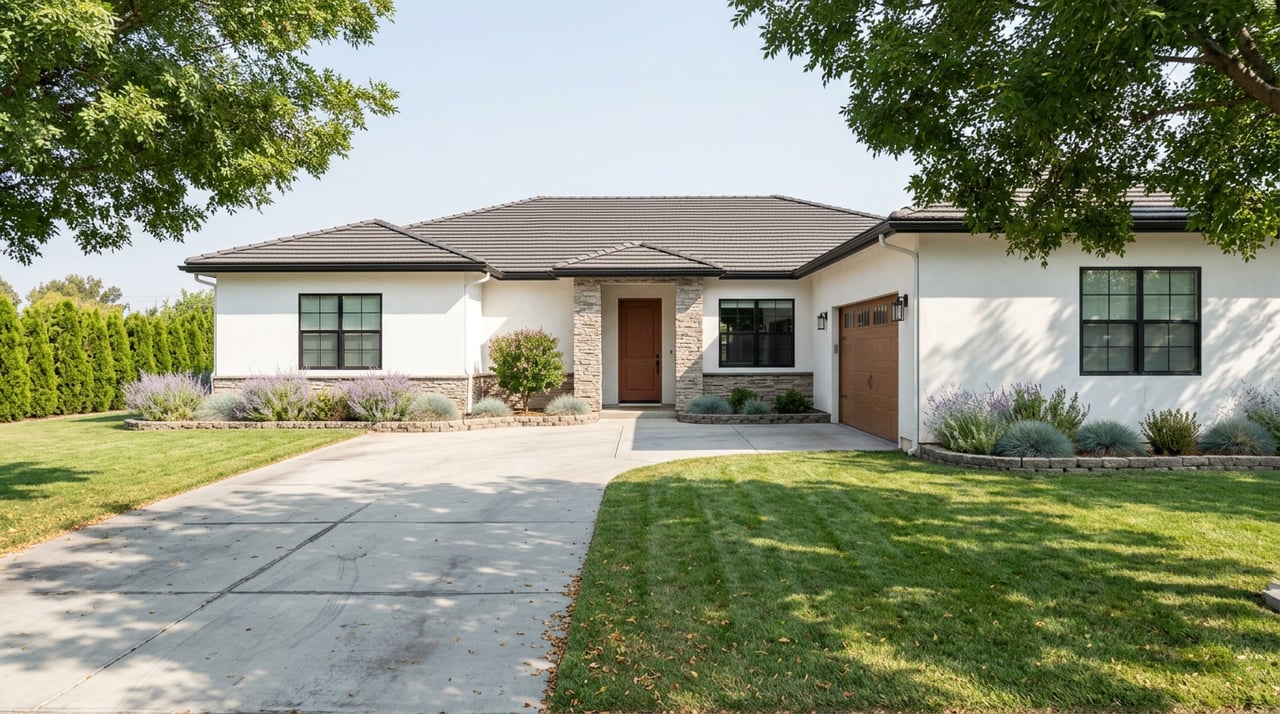
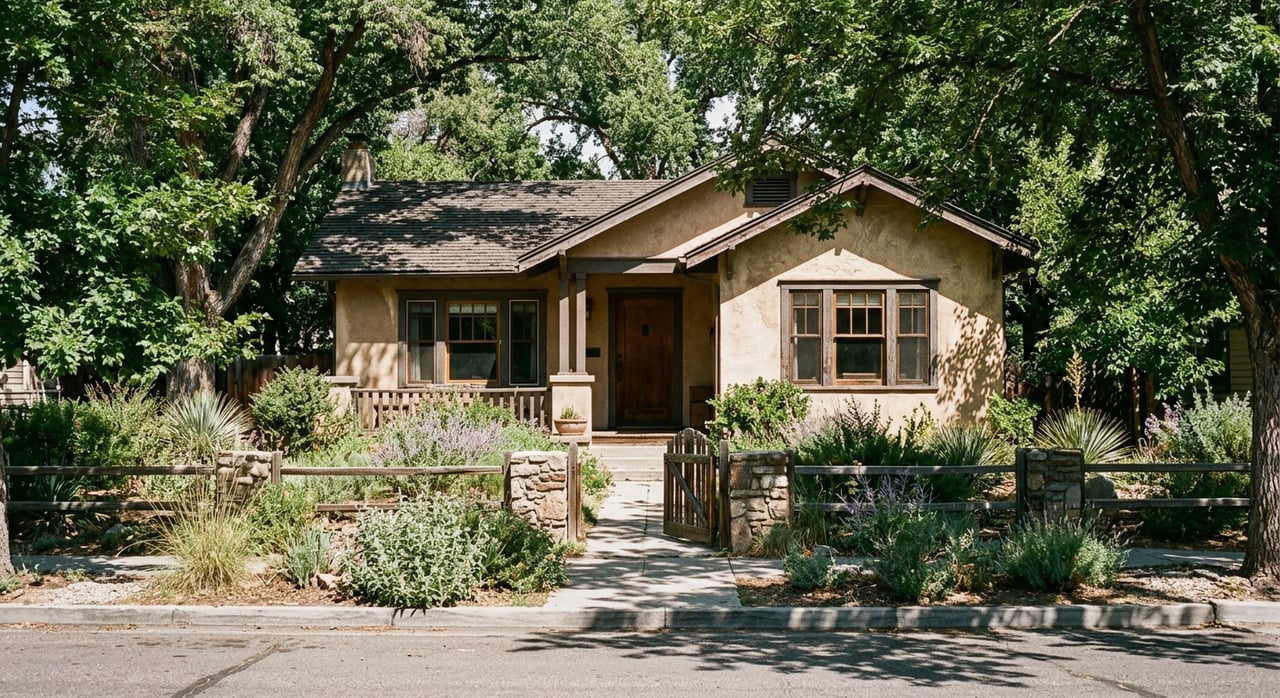
Old Southwest tends to feel like an older residential pocket with strong neighborhood character. The streetscape includes mature trees, landscaped lawns, cottage gardens, xeriscaped yards, and design features that make the area feel intentional rather than purely functional.
The neighborhood does not read as one single experience from block to block. Nearer downtown, homes are generally older and sit on somewhat tighter patterns, while farther southwest you may notice more open spacing, somewhat larger lots, and more postwar housing styles.
That variation is part of the appeal. If you like neighborhoods with personality, where one street can feel a little different from the next, Old Southwest offers that without losing its overall sense of place.
Homes in Old Southwest Reno
If you are asking what kinds of homes are here, the short answer is: a wide range, with a strong historic backbone. The housing stock is dominated by late 19th-century to mid-20th-century single-family homes, along with smaller numbers of duplexes, triplexes, and fourplexes.
Lot sizes vary quite a bit, from about a tenth of an acre up to two acres. That means you can find both compact in-town parcels and more estate-like settings within the broader district.
Architectural Styles You Will See
Old Southwest is one of the more architecturally varied parts of Reno. Documented styles in the district include Queen Anne, Shingle, Craftsman, Prairie, Colonial Revival, French Renaissance Revival, Italian Renaissance Revival, Mission Revival, Spanish Colonial Revival, Tudor Revival, Minimal Traditional, Ranch, and Contemporary homes.
Some homes in the area were also designed by notable architects, including Frederic DeLongchamps and Paul Revere Williams. For buyers, that means the neighborhood can offer a more visually distinctive housing mix than newer areas built in a shorter time frame.
Why the Area Does Not Feel Uniform
The neighborhood developed in phases, and you can feel that when you drive or walk through it. Older homes are concentrated closer to downtown, while the southwest portions transition into more Ranch and Contemporary homes with somewhat larger lots.
This is helpful to know if you are home shopping here. Two properties in Old Southwest can offer very different experiences depending on their exact location, lot size, street pattern, and era of construction.
Why People Remember the Streetscape
One of the defining features of Old Southwest is how intact the historic fabric remains. Of the district’s 610 total resources, 487 contribute to its historic character, which says a lot about how much of the original neighborhood identity still reads clearly today.
That character is not only about the homes. It also comes from the mature tree canopy, landscaped streets, masonry pillars, a circular park, and a memorial tablet noted in the district documentation.
Street trees are a major part of the experience. In Newlands Manor alone, more than 600 trees were planted along the streets in 1927, and that long-term landscape planning still shapes how the neighborhood feels today.
Parks and Outdoor Access Nearby
For everyday livability, Idlewild Park is one of the biggest advantages of this area. It gives Old Southwest residents a major recreational anchor nearby, with a broad mix of amenities that support both active days and relaxed afternoons.
The City of Reno lists barbecue areas, baseball and softball fields, basketball and tennis courts, a bicycle path, pathways, a playground, rentable shelters, restrooms, a skate park, volleyball, and water play features. There is also an operating train, which adds another layer to the park’s appeal.
The Idlewild Rose Garden
The Rose Garden is one of the standout features within Idlewild Park. It includes 200 varieties and more than 1,750 roses, with bloom season running from early June through September.
Peak bloom typically arrives in late June or early July, then again in late August. If you enjoy seasonal color and walkable outdoor spaces, this is the kind of nearby amenity that can quietly improve everyday life.
Truckee River Recreation
River access is another major part of the Old Southwest lifestyle. The Truckee River Trail runs through downtown Reno along the river and passes through Idlewild Park, creating an easy option for walking, biking, and enjoying the river corridor.
Nearby, the Truckee River Whitewater Park at Wingfield offers 2,600 feet of Class 2 to 3 water features, easy public access, and adjacent grassy event space. In real life, that means you are close to places where people walk, watch the river, bike, or enjoy seasonal outdoor activity without needing to head far from the urban core.
Access to Midtown and Downtown
Another practical benefit of living in Old Southwest is proximity to central Reno. Because the neighborhood sits less than a mile southwest of downtown, you are close to city-center destinations while still in a primarily residential setting.
MidTown is one of the clearest examples. The district profile describes new development along Virginia Street, plus new restaurants and retail tied to leisure shopping, within a corridor that also includes refurbished brick structures, bungalow-style homes, and small multifamily properties.
For many residents, that means errands, dining, and casual outings can feel close at hand rather than like a cross-town trip. If you want an in-town lifestyle with neighborhood character, this location tends to check that box.
Community Feel and Local Identity
Old Southwest has a strong visual identity, and the city’s own events help reinforce it. Reno describes the Journal Jog 8K as a flat, fast run through Old Southwest Reno’s scenic historic streets, which is a pretty clear clue about how the area is seen locally.
That wording matters because it captures the blend that defines the neighborhood. It is scenic, historic, and residential, but also connected enough to the rest of Reno that it stays part of everyday city life.
Who Old Southwest May Appeal To
If you are drawn to newer, highly consistent subdivisions, Old Southwest may feel less predictable. Streets, lot sizes, and home styles can vary a lot, which is part of the neighborhood’s identity.
If you value established trees, older homes, close-in access, and a neighborhood that feels shaped over time, Old Southwest may stand out for all the right reasons. It can also appeal to buyers who want to weigh both lifestyle and long-term property character instead of focusing only on newness.
From a practical standpoint, this is the kind of neighborhood where block-by-block analysis matters. In an area with this much variation, understanding the specific home, street, and surrounding pocket can make a big difference in finding the right fit.
Final Thoughts on Living Here
Living in Reno’s Old Southwest often means trading uniformity for character. You get a well-preserved residential setting, notable architectural variety, mature landscaping, nearby parks and river access, and quick access to downtown and MidTown.
That does not make every home or every block the same, and that is exactly the point. Old Southwest is best for people who appreciate nuance, want an in-town location, and see value in a neighborhood that has kept much of its historic identity.
If you are thinking about buying or selling in Old Southwest Reno, working with someone who can help you evaluate both neighborhood feel and property-specific tradeoffs matters. If you want clear, strategic guidance, connect with Valarie Jackson.
FAQs
What types of homes are common in Old Southwest Reno?
- Old Southwest is known for late 19th-century to mid-20th-century single-family homes, along with some duplexes, triplexes, and fourplexes.
Does Old Southwest Reno feel consistent from block to block?
- No. The area developed in different phases, so street patterns, lot sizes, home spacing, and architectural styles can vary depending on where you are in the neighborhood.
What parks are near Old Southwest Reno?
- Idlewild Park is the key nearby park, with sports courts, fields, pathways, a playground, water play features, restrooms, rentable shelters, and an operating train.
What outdoor recreation is close to Old Southwest Reno?
- Residents have access to the Truckee River Trail through Idlewild Park and the Truckee River Whitewater Park at Wingfield for river-oriented recreation and public open space.
Is Old Southwest Reno close to downtown and Midtown?
- Yes. Old Southwest sits less than a mile southwest of downtown Reno, and its location makes downtown and Midtown convenient nearby amenity areas.
Why is Old Southwest Reno so memorable?
- The neighborhood stands out for its preserved historic character, mature trees, varied architecture, landscaped streetscapes, and its bluff setting above the Truckee River.