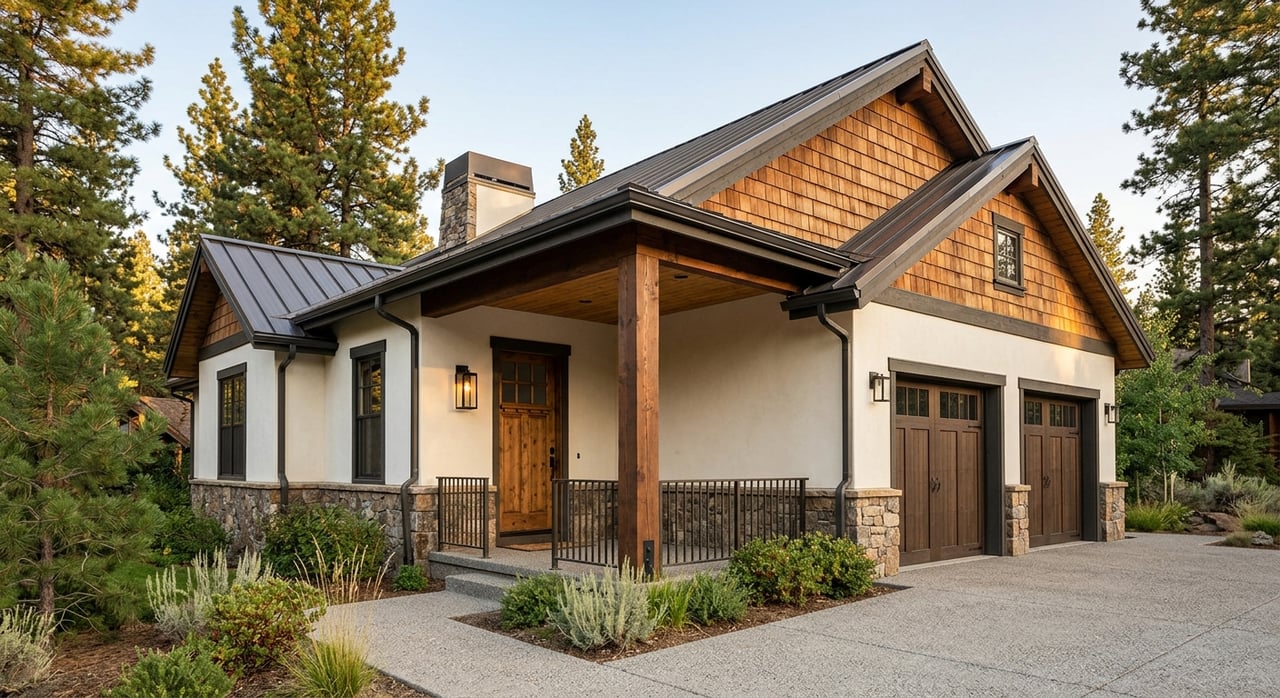
What if buying in Zephyr Cove could give you more than a beautiful place to stay? For many buyers, this part of Lake Tahoe offers a rare mix of everyday enjoyment, long-term holding potential, and Nevada tax advantages. If you are weighing lifestyle against return, the real answer is not just whether Zephyr Cove is desirable, but whether a specific property fits how you plan to use it. Let’s dive in.
Why Zephyr Cove Stands Out
Zephyr Cove offers a South Shore Lake Tahoe base with access to recreation across all four seasons. Zephyr Cove Resort highlights amenities and activities like a year-round beach, private beachfront, lake cruises, horseback riding, marina boat rentals, and winter snowmobiling.
That outdoor access extends beyond the resort. Nearby Nevada State Park destinations include Cave Rock, Sand Harbor, and Spooner Lake, which add options for swimming, kayaking, boating, hiking, mountain biking, and equestrian trails.
The climate helps support the year-round appeal. Lake Tahoe Nevada State Park describes summers as dry and sunny, winters as snowy, and average temperatures ranging from 38.5°F in January to 77.7°F in July, with about 200 to 280 inches of snowfall at 7,000 feet.
Lifestyle Value of Ownership
A home in Zephyr Cove can serve different goals at different stages of life. You may want a primary residence now, a vacation home for several years, or a property you hold for future retirement use.
That flexibility is part of the appeal, but it works best when you match the property to the plan. In Zephyr Cove, lot size, permit rules, and rental regulations can shape what is realistic later, even if the home works perfectly for you today.
Four-Season Living
One of the biggest lifestyle advantages is that you are not buying into a one-season destination. Summer can mean beach days, boating, and lake access, while shoulder seasons open up hiking and trail time.
Winter brings a different use case entirely. Snowy conditions and local winter recreation make it possible to enjoy the same property in a very different way depending on the time of year.
A Base for Recreation
Zephyr Cove works well for buyers who want a home base near the lake rather than a property that sits idle most of the year. Cave Rock offers a small beach and launch access for canoeing and kayaking, while Sand Harbor is known for beaches, kayaking, scuba diving, and boat launches.
Spooner Lake adds another layer with roughly 50 miles of trails for hiking, biking, and equestrian use. If your version of return includes actual use and enjoyment, that matters.
Ownership Models Change the Math
The same Zephyr Cove property can look very different on paper depending on how you plan to own it. A primary residence, second home, long-term rental, and short-term rental each come with different tradeoffs.
This is where buyers benefit from slowing down and asking better questions. The best property is not just the one you like most. It is the one that still works once you factor in use restrictions, approval timelines, and future plans.
Primary Residence or Vacation Home
If you plan to live in the home full time or use it seasonally, your focus may be on comfort, access, and long-term hold potential. In that case, the property’s layout, maintenance needs, and future remodel feasibility may matter more than income potential.
This can be a strong fit for buyers who want personal enjoyment first and view appreciation as a secondary benefit. In Zephyr Cove, that is often a practical way to think.
Long-Term Rental
A long-term rental model may offer more operational simplicity than a short-term rental plan. The research provided does not outline local long-term rental rules in detail, but it does make clear that short-term rental compliance is a major separate issue.
For some buyers, that means a property with stable long-term hold potential may be more attractive than one purchased mainly for short-stay income.
Short-Term Rental
If your plan includes short-term rental income, Douglas County rules are a major part of the decision. The county defines vacation home rentals as rentals of 28 days or less and requires annual permits.
New permit applications are also subject to a countywide cap of 600, with waitlists in neighborhoods that are already full. That means short-term rental potential cannot be assumed, even in a market with obvious visitor demand.
TRPA Rules Matter More Than Many Buyers Expect
In the Tahoe Basin, property ownership often comes with more process than buyers expect. The Tahoe Regional Planning Agency says many activities and projects require both a TRPA environmental review permit and a local building permit.
That matters if you are thinking beyond the home as it sits today. A simple remodel, site work, or expansion idea may involve added review, timing, and cost.
Remodels and Site Work
TRPA states that projects creating or relocating land coverage require a permit. Its application structure also separates out shoreline work, piers and moorings, grading, land coverage, and single-family or ADU projects.
In plain English, that means future value-add plans need real due diligence. If part of your ROI thesis depends on improving the property later, you want to understand that pathway before you buy, not after.
Grading Season Limits
There is also a timing issue that can affect project schedules. TRPA says grading and digging season is generally May 1 through October 15 to help protect Lake Tahoe water quality.
For buyers planning renovations, that can affect when work starts and how long it takes. In a mountain market, timing is not a small detail.
ADU Limits in Zephyr Cove
Many investor-minded buyers ask about adding a guesthouse or ADU later. In the Nevada portion of the Tahoe Basin, TRPA says ADUs are only allowed on parcels larger than one acre.
That is a key limitation in Zephyr Cove. If an ADU is central to your long-term plan for multigenerational living or added rental flexibility, many lots may not qualify.
Understanding ROI in Zephyr Cove
Return on investment in Zephyr Cove is usually not a simple cash-flow story. It is more often a blend of personal use, long-term scarcity, tax environment, and constrained supply.
That distinction matters because it helps you evaluate the market with the right expectations. You are not always buying for quick turnover. In many cases, you are buying for durable value over time.
Current Price Context
Recent market snapshots place Zephyr Cove in the luxury range. Redfin reported a median sale price of $1.4 million in March 2026, while Zillow estimated an average home value of $1,387,144, up 5.6% over the prior year.
Because the market is small and high-end, those figures can move around from month to month. They are best used as directional context rather than a prediction of what any one property will do next.
Scarcity Supports the Long View
One reason buyers often view Tahoe ownership as a long hold is the regulatory structure around new supply and property changes. TRPA’s regional plan framework, permit review, land coverage rules, and shoreline controls all help limit how easily new inventory can be added or expanded.
That does not guarantee appreciation, but it does help explain why scarcity is part of the ownership story. In markets with physical and regulatory constraints, supply can stay tight.
Nevada Tax Considerations
Nevada’s tax structure also plays into the ROI conversation. The state says it does not impose an individual or corporate income tax.
For property-tax planning, the Nevada Department of Taxation’s FY 2025-26 tax-cap factors place Douglas County under the statewide cap framework, with caps no higher than 3% for residential property and 8% for general property. For many buyers, that becomes part of the long-term cost picture.
Short-Term Rental Reality Check
It is easy to look at a Lake Tahoe location and assume short-term rental income will be straightforward. In Zephyr Cove, the better approach is to treat it as possible in some cases, but not automatic.
Douglas County’s rules add real operational friction. That does not mean the model never works. It means you should underwrite it carefully.
Permit and Renewal Requirements
Current county guidance requires annual renewal for vacation home rentals. It also requires a fire and life safety inspection and submission through the county permit system.
The fire inspection appointment may take up to 60 days to book depending on district availability. That is a meaningful timing issue if your strategy depends on getting the property income-ready quickly.
Taxes and Fees
Douglas County currently lists an 8% transient occupancy tax plus a 2% transient lodging rental tax. The county also states that non-permitted properties are still responsible for room taxes, penalties, and interest on nights rented.
Fees also vary by tier, with separate pricing for owner-occupied homes and higher-occupancy properties. That means your projected revenue should always be tested against the real compliance costs.
How to Think Strategically Before You Buy
In Zephyr Cove, a smart purchase usually starts with clarity about your actual plan. Are you buying for personal use, retirement later, occasional rental income, or a long-term wealth hold with lake access?
Once that is clear, the property itself needs to be filtered through that lens. A home that is perfect for weekend use may not be ideal for a remodel-heavy strategy, and a home that looks promising for income may hit permit limits or lot-size restrictions.
A practical due diligence checklist often includes:
- Your intended use for the next 1, 5, and 10 years
- Whether short-term rental eligibility matters to you
- Whether future remodels or site work are part of the plan
- Whether ADU potential is essential, and if the lot size supports it
- How timing, permit review, and seasonal construction windows could affect your budget
- Whether your return expectations are based on cash flow, appreciation, personal use, or a mix of all three
When you think this way, you stop shopping on scenery alone. You start buying with both lifestyle and balance-sheet logic in mind.
If you want to evaluate Zephyr Cove through that lens, Valarie Jackson can help you think through the tradeoffs, protect your downside, and find a property that fits your long-term goals.
FAQs
What makes owning a home in Zephyr Cove appealing year-round?
- Zephyr Cove offers access to lake recreation in summer, trail use in spring and fall, and snow-focused activities in winter, supported by the area’s dry summers and snowy winters.
Can you use a Zephyr Cove home as a vacation property now and retire there later?
- Yes, that can work in concept, but you should confirm lot size, future permit needs, and whether planned remodels or additions would require TRPA and local review.
Can you add an ADU to a Zephyr Cove property?
- In the Nevada Tahoe Basin, TRPA says ADUs are only allowed on parcels larger than one acre, so many properties will not qualify.
Can you operate a short-term rental in Zephyr Cove?
- Maybe, but Douglas County requires permits for rentals of 28 days or less, annual renewal, inspections, tax compliance, and new applications are subject to a countywide cap.
What does ROI usually look like in Zephyr Cove real estate?
- ROI is often a mix of lifestyle use, long-term scarcity, Nevada’s tax structure, and constrained supply rather than a pure short-term cash-flow play.