When you buy a home in Gardnerville, you are not just choosing a place to live. You are also making a long-term money decision that can shape your equity, tax picture, and future flexibility. If you are thinking about retirement, downsizing later, or buying with a hold strategy in mind, it helps to look past the listing photos and think several moves ahead. Let’s dive in.
Why Gardnerville fits long-term planning
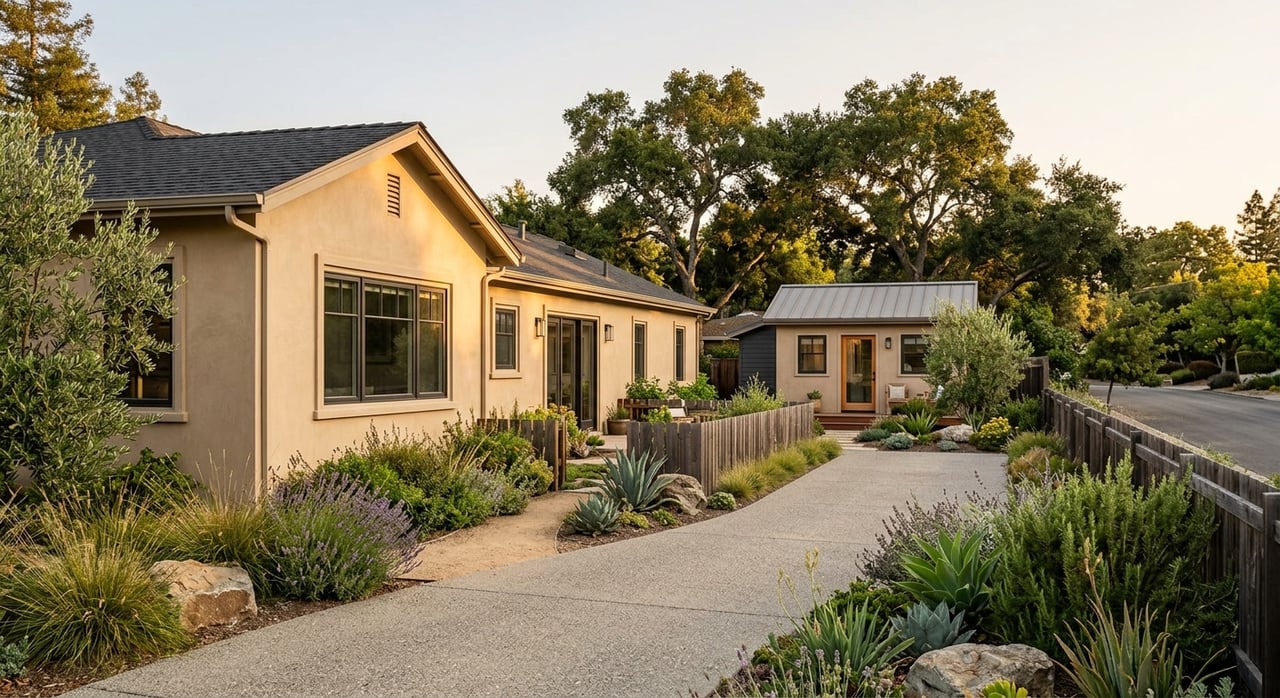
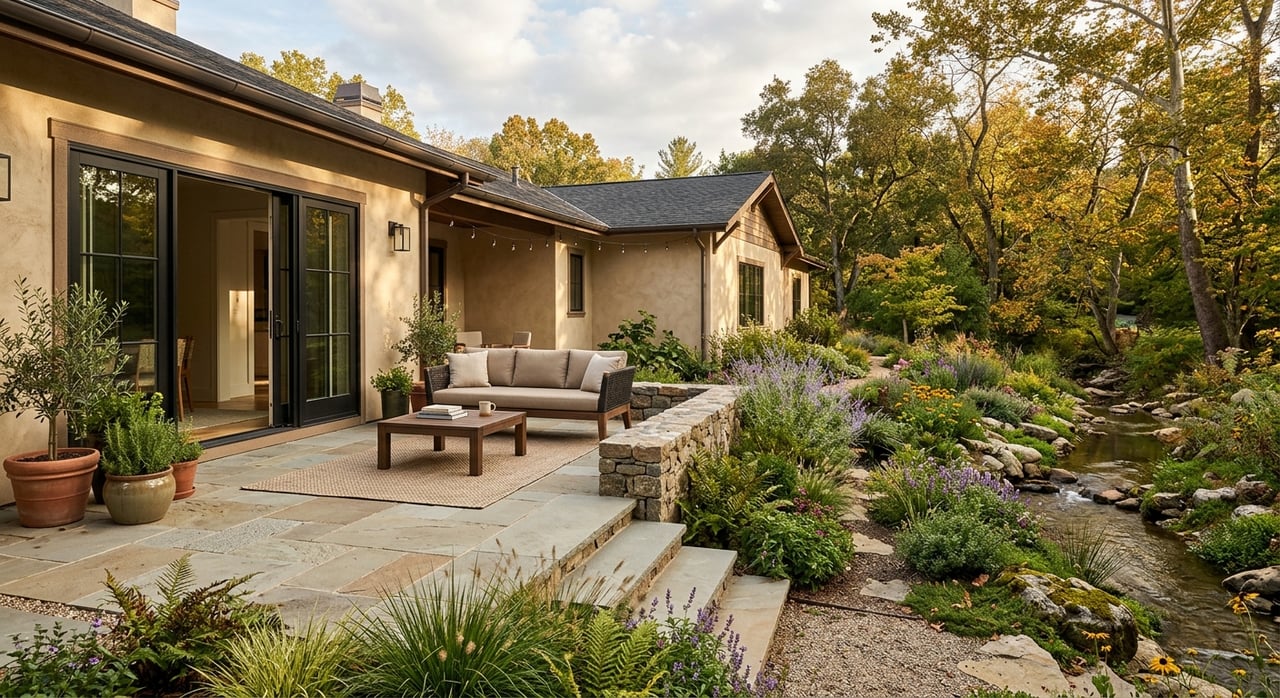
Gardnerville stands out because its appeal is not built on fast flips or short-term hype. Douglas County describes the area as a community framed by the Carson Range and Pine Nut Mountains, with open space, ranches, farms, and year-round recreation. The Town of Gardnerville also notes its access to Carson City, Lake Tahoe, Reno, and Sacramento, which supports a lifestyle that can stay useful over time.
That matters for wealth planning because durable lifestyle value often supports long holding periods. If a home continues to fit your daily life, your commute, and your retirement goals, you may be more likely to stay put long enough to build equity and spread out your buying and selling costs. In a place like Gardnerville, that can be more important than trying to time a quick resale.
Gardnerville demographics support stability
The local numbers also point to a more stability-oriented market. Douglas County’s population estimate was 50,111 as of July 1, 2025, and 35.0% of residents were age 65 or older. The county’s owner-occupied housing unit rate was 78.8%, while Gardnerville had 6,211 residents in the 2020 Census and 34.0% of residents were 65 or older.
Those figures do not tell you whether a home is right for you, but they do help frame the market. This is a place where many owners appear to think in longer time horizons. For buyers and sellers focused on wealth preservation, that can support a conversation about steady ownership, eventual downsizing, and exit planning instead of short-term speculation.
Think holding period first
One of the biggest wealth-planning mistakes in real estate is buying without a clear holding period. In Gardnerville, recent Redfin data showed homes taking about 58 days to sell and closing at about 97.7% of list price in April 2026. That suggests resale is possible, but usually not instant.
In plain English, a Gardnerville home may work better as a medium- to long-term hold than a short-term trade. If you may need to move again quickly, the numbers deserve a closer look. A solid plan usually starts with one simple question: How long do you realistically expect to own this home?
Why hold time matters for wealth
The longer you hold, the more time you may have to:
- Build equity through mortgage paydown
- Give appreciation time to work
- Offset transaction costs from buying and selling
- Plan your next move with less pressure
If your likely hold period is short, those benefits may be harder to capture. That does not mean you should avoid Gardnerville. It means you should buy with your timeline in mind, not someone else’s.
Separate market value from tax value
It also helps to understand that market value and taxable value are not the same thing. The Census Bureau estimated the median owner-occupied home value in Gardnerville at $487,300 for 2020-2024, compared with $615,400 for Douglas County overall. That gives you a rough snapshot of values, but it does not tell the full story of ownership cost or future returns.
For long-term planning, you want to look at the whole picture. Purchase price is only one part of the equation. Financing costs, maintenance, insurance, property taxes, and future resale timing all affect whether the home supports your bigger wealth goals.
Nevada’s tax structure can help homeowners
Nevada’s tax setup is one reason many buyers consider the state part of a long-term financial plan. Nevada does not impose a state income tax on individuals, and the Governor’s Office of Economic Development also describes the state as having no inheritance, gift, or estate tax. That can make state-level planning simpler for some households.
Still, simple does not mean automatic. Federal taxes can still matter when you sell, convert a property to rental use, or plan around basis and timing. A home purchase can support your wealth plan, but it should not replace a real conversation with your CPA and financial planner.
Understand Douglas County property taxes
Douglas County states that property is assessed at 35% of taxable value. The county also explains that annual tax increases are capped at 3% for owner-occupied primary residences and qualifying lower-rate rentals, while other property can be capped at a higher rate depending on county growth. For long-term owners, that cap can be an important part of cost predictability.
There is a catch, and it is an important one. Douglas County notes that new construction, parcel splits, and changes in zoning or use may not benefit from the cap in the first year. If you plan to build, add on, or change how the property is used later, your tax picture may shift.
Property changes can affect your plan
Before you buy, think about whether you may want to:
- Add living space
- Build or legalize an accessory dwelling unit
- Convert the home to a different use later
- Split land or reconfigure the parcel
Those are not small details. They can change both your costs and your long-term strategy.
Plan your exit before you buy
A smart long-term purchase includes an exit plan on day one. That does not mean you need every detail figured out, but you should know the likely paths. Are you buying a home to age in place, to downsize from later, or to keep as a long-term asset after you move?
That question matters because federal home-sale tax rules can reward good timing. IRS Topic 701 says a seller may exclude up to $250,000 of gain from the sale of a main home, or up to $500,000 on a joint return, if the ownership and use tests are met. If you later convert the home to business or rental use, IRS Publication 523 notes that depreciation and partial-exclusion rules may apply.
For many owners, this creates a real planning fork in the road. Selling while the property still qualifies as your main home may lead to a different outcome than holding it as a rental first. That is why exit planning is not just for investors. It matters for regular homeowners too.
Be realistic about rental flexibility
If part of your wealth plan includes future rental income, do not assume every strategy works in Gardnerville. Douglas County says rentals for less than 28 days require a Vacation Home Rental permit, and vacation home rentals are not currently permitted outside Tahoe Township. For most Gardnerville buyers, that means short-term rental potential should not be part of the default assumption.
A more realistic conversation is often about long-term leasing or a property setup that may support another permitted use. This is a good example of why real estate decisions should be based on local rules, not broad internet advice. What works in one Nevada market may not work the same way here.
Check ADU and lot potential carefully
Semi-rural properties can look flexible on paper, but the real answer depends on code, utilities, lot size, and private restrictions. Douglas County says accessory dwelling units in some residential and rural agricultural districts require design review and a building permit. The county also notes additional limits tied to parcel size, utility capacity, setbacks, and architectural compatibility.
That means future value may depend on more than the house itself. If you are buying for ADU potential, multigenerational living, or long-term rental flexibility, you need to underwrite the lot as carefully as the home. A large parcel is not the same thing as a parcel that can legally and physically support your plan.
Do not forget CC&Rs and HOA rules
Douglas County also reminds owners that CC&Rs are private agreements the county does not enforce. In practice, that means a property may meet county rules and still face restrictions from an HOA or recorded private covenants. You want both layers checked before you rely on future use assumptions.
A practical wealth-planning checklist
If you are considering a home in Gardnerville, focus on these questions before you write an offer:
- Is this home primarily for lifestyle, long-term stability, or future income potential?
- How long do you expect to hold it?
- Would the property still make sense if resale takes time?
- Are you counting on short-term rental income that may not be allowed?
- If you want an ADU or future conversion, do zoning, utilities, setbacks, and parcel size support it?
- Are there HOA rules or CC&Rs that could limit future plans?
- Have you discussed sale timing, tax treatment, and possible conversion issues with your CPA and financial planner?
These questions may not feel exciting, but they are often what protect wealth. The right property is not just the one you like today. It is the one that still works when your plans evolve.
Gardnerville can reward patient owners
For the right buyer, Gardnerville can make a lot of sense as part of a long-term wealth plan. The area offers a durable lifestyle draw, an owner-heavy housing base, a state tax structure many buyers find attractive, and a market that appears more steady than speculative. That combination often favors patience, clear goals, and careful due diligence.
If you want a home that supports both your life and your balance sheet, start with a strategy instead of a guess. When you think through hold time, tax implications, rental limits, and exit options early, you put yourself in a stronger position to protect equity over time. If you want help evaluating a Gardnerville purchase through that lens, connect with Valarie Jackson.
FAQs
What makes Gardnerville homes relevant for long-term wealth planning?
- Gardnerville offers a lifestyle-driven setting, a high owner-occupied housing rate, an older population profile, and a more moderate resale pace, which can make it a stronger fit for medium- to long-term ownership planning.
How long should you plan to hold a home in Gardnerville?
- There is no one-size-fits-all timeline, but Gardnerville’s recent market pace suggests you should think of ownership as a medium- to long-term hold rather than a quick trade.
How do Douglas County property taxes affect Gardnerville homeowners?
- Douglas County assesses property at 35% of taxable value, and owner-occupied primary residences may benefit from a 3% cap on year-over-year tax increases, though new construction and some changes in use may alter that picture.
Can you use a Gardnerville home as a short-term rental later?
- In most cases, you should not assume that, because Douglas County says vacation home rentals are not currently permitted outside Tahoe Township and rentals under 28 days require a permit.
What should you check before buying a Gardnerville property for an ADU?
- You should confirm district rules, design review requirements, building permit needs, parcel size, utility capacity, setbacks, architectural compatibility, and any HOA or CC&R restrictions.
Why does exit planning matter for a Gardnerville home purchase?
- Exit planning matters because your future sale timing, main-home status, and any rental or business conversion can affect equity capture, tax treatment, and overall flexibility.