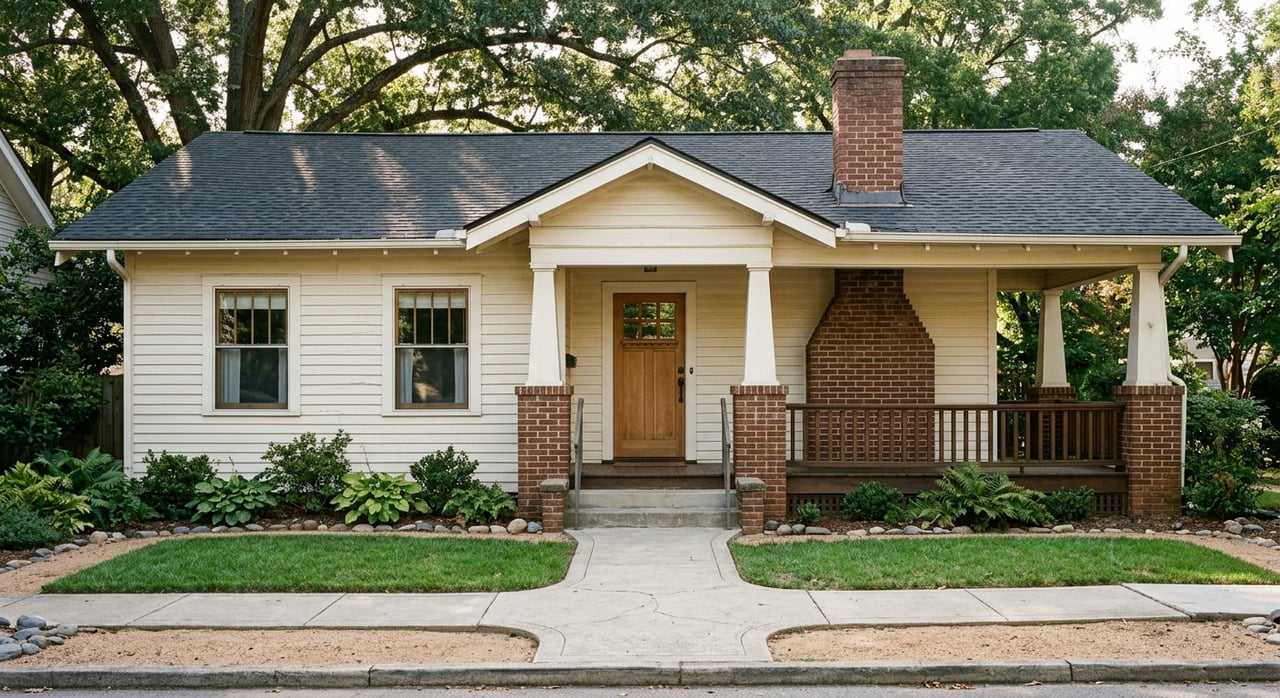
Older homes in Old Southwest Reno can be easy to fall for. Mature trees, classic architecture, and a close-in location create a kind of appeal that newer neighborhoods usually cannot replicate. But charm is only half the story, and if you are thinking about buying here, you need to weigh character against upkeep, flexibility, and long-term costs. This guide will walk you through the biggest tradeoffs so you can make a smart, confident decision. Let’s dive in.
Why Old Southwest Reno Appeals to Buyers
Old Southwest Reno stands out because it offers an established setting with strong community identity, mature trees, and access to the Truckee River Greenbelt. In a market where many homes can feel interchangeable, this area offers something harder to find: scarcity and a real sense of place.
The broader historic core of southwest Reno, including nearby Newlands, helped shape Reno’s early suburban growth. The area is known for period homes, Craftsman influences, and streetscapes that reflect Reno’s early development patterns. For many buyers, that history is not just interesting. It is part of the value.
Character vs. Convenience
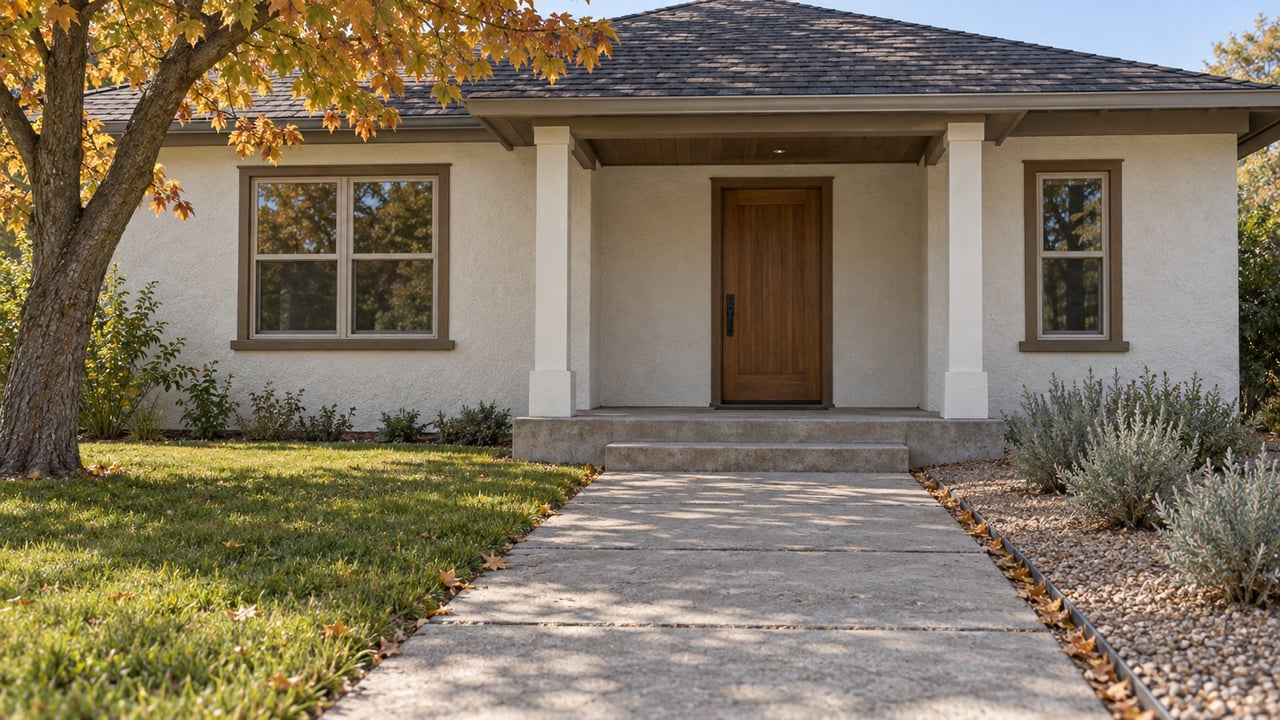
The biggest tradeoff is simple: you are often choosing character over turnkey convenience. Older homes in Old Southwest Reno may offer details you cannot easily recreate, such as brickwork, stucco finishes, porches, dormers, and original exterior features. At the same time, they may have layouts, systems, and maintenance needs that feel less convenient than newer construction.
If your goal is a polished, open-concept home with minimal near-term projects, an older property may feel like a compromise. If your goal is a home with architectural identity, central location, and long-term appeal, the extra diligence may be worth it.
What Older Homes Here Often Look Like
A useful model for the area’s vintage housing stock is the nearby Newlands Historic District. Homes there include Colonial Revival, Tudor Revival, Spanish Colonial Revival, Mission Revival, French Renaissance Revival, Craftsman, Minimal Traditional, Ranch, and Contemporary styles, with brick construction playing a major role.
That means you should not expect a uniform subdivision look. Instead, you may see bungalows, cottages, one- and two-story homes, larger manor-style properties, and later ranch homes. This variety is part of what makes the area attractive, but it also means every property needs to be evaluated on its own merits.
Floor Plans May Feel More Closed-Off
Many older homes were built for a different era of living. Based on the rooflines, footprints, and massing common in these historic areas, buyers should expect some homes to feel more compartmentalized than newer builds.
That can be a plus if you like defined rooms, quieter spaces, and architectural separation. It can be a drawback if you want a large kitchen-great-room setup or a layout that already fits modern remodeling trends. Before you get attached to finishes, make sure the floor plan works for how you actually live.
Inspection Priorities Matter More Here
In Old Southwest Reno, inspections are not just a formality. They are a major part of protecting your budget and your future plans for the property.
Older homes can hide issues behind attractive finishes or well-kept landscaping. A house that looks solid at first glance may still have age-related concerns that affect safety, renovation cost, or resale flexibility.
Lead Paint and Older Materials
Lead is one of the biggest concerns in older housing. Homes built before 1978 are more likely to contain lead-based paint, and the risk is especially high in homes built before 1940.
If you are considering updates in a pre-1978 home, this matters because paint-disturbing work can create hazardous dust. Older homes built before 1986 may also be more likely to have lead pipes, fixtures, or solder. This does not mean you should avoid the home, but it does mean you should approach renovations carefully and plan for proper lead-safe practices.
Asbestos Risks in Older Components
Asbestos is another issue buyers should take seriously. In older buildings, asbestos-containing materials may be found in floor tiles, ceiling tiles, pipe wrap, and insulation.
The key here is not to guess. If suspect materials are present, trained professionals should handle sampling rather than having anyone disturb the materials casually during a remodel.
Electrical Systems Need a Close Look
Older homes may also have outdated electrical components. Potential issues can include knob-and-tube wiring, aluminum wiring, missing grounding, and limited GFCI protection.
Even if a home appears well maintained, the electrical system may not match modern expectations. A careful inspection can help you understand whether you are looking at a manageable update or a larger project.
Sewer Scope Is Worth It
For older homes in Reno, a sewer scope is one of the most useful due-diligence steps. The City of Reno notes that tree roots are a typical problem with older sewer lines, and the private lateral from the house to the city main is the property owner’s responsibility.
In a neighborhood known for mature trees, that is especially relevant. A sewer issue may not show up during a standard walk-through, but it can become a major expense later.
Flood Status Should Be Verified
Because Southwest Reno includes access to the Truckee River Greenbelt and the region continues to manage flood risk along the river, buyers should verify a property’s flood status instead of making assumptions. Flood risk can change over time, so parcel-level confirmation matters.
This is one of those details that can affect insurance, comfort level, and long-term planning. It is better to check early than to be surprised after you are under contract.
Historic Status Can Affect Your Plans
Not every older home in Old Southwest Reno is historically designated, but if a property is listed on the City of Reno Register of Historic Places, you should understand what that means before you buy.
The City says National Register listing is honorary and does not change property rights. Local City Register listing is different because substantial exterior work may require a Certificate of Appropriateness, and demolition can be delayed. Interior changes are generally exempt.
For some buyers, that is a fair trade for preserving neighborhood character. For others, especially those planning a major exterior redesign, it may feel restrictive. The good news is that the city describes the review process as intended to be straightforward, with more than 95% of applications approved.
Renovation Strategy Should Be Practical
One of the most common mistakes buyers make with older homes is focusing on finishes before fundamentals. In a neighborhood like Old Southwest Reno, a smart plan usually starts with safety and structure first.
That means prioritizing items like roof and drainage issues, water intrusion, draft sealing, insulation, and necessary electrical or plumbing updates before spending heavily on cosmetic upgrades. It is a less glamorous approach, but it usually protects both comfort and long-term value.
Think of the House as a System
The Department of Energy recommends starting with a home energy assessment before making energy-saving improvements. That is especially helpful in older homes, where comfort problems often come from a mix of air leaks, insulation gaps, moisture issues, and aging mechanical systems.
Single-pane windows, compressed or insufficient insulation, leaking ductwork, and inefficient heating equipment can all affect energy performance. Instead of treating each issue separately, it helps to evaluate how the home functions as a whole.
Budgeting for an Older Home
If you are buying an older property in Reno, contingency reserves should be part of your plan from the start. Reno’s 2025-2029 Consolidated Plan states that 35.2% of the city’s housing stock was built before 1980, and older housing in Washoe County is associated with more deferred maintenance and higher lead-hazard risk.
In plain English, that means surprise costs are not unusual. You do not have to assume every older home is a money pit, but you should avoid stretching your budget so tightly that one repair throws off your entire plan.
A useful mindset is to treat reserves as part of the purchase price reality, not as an optional extra. That approach gives you more flexibility and less stress after closing.
When Buying Older Makes Sense
An older home in Old Southwest Reno may be a great fit if you value location, architecture, mature landscaping, and the kind of neighborhood identity that newer areas often lack. It can also make sense if you are comfortable evaluating tradeoffs and planning upgrades in stages.
This type of purchase tends to work best when you want longevity rather than instant perfection. If you can see beyond cosmetic quirks and focus on structure, systems, and future value, you may find a home that feels more distinctive and more durable over time.
When a Newer Home May Be Better
A newer home may be the better choice if your top priorities are lower maintenance, more open layouts, and fewer immediate unknowns. If you do not want to navigate older materials, historic review questions, or renovation sequencing, newer construction may align better with your lifestyle.
That is not a knock on Old Southwest. It is just an honest reminder that the right home is the one that fits both your taste and your tolerance for risk, upkeep, and project management.
Buying an older home here is rarely about finding perfection. It is about deciding whether the neighborhood, architecture, and scarcity justify the extra diligence and planning. If you want a smart second set of eyes on that tradeoff, Valarie Jackson can help you evaluate the numbers, the property, and the long-term fit without pressure.
FAQs
What are the main tradeoffs of buying an older home in Old Southwest Reno?
- You are often trading turnkey convenience for character, central location, mature landscaping, and architectural detail, along with a higher need for inspection and repair planning.
What inspection items matter most for an older home in Old Southwest Reno?
- Key priorities include lead-related concerns, possible asbestos-containing materials, outdated electrical components, a sewer scope for older lines, and parcel-specific flood status verification.
What should buyers know about historic designation in Old Southwest Reno?
- If a home is on the City of Reno Register of Historic Places, substantial exterior changes may require a Certificate of Appropriateness, while interior changes are generally exempt.
Why is a sewer scope important for older Reno homes?
- The City of Reno says tree roots are a typical problem with older sewer lines, and the property owner is responsible for the private lateral from the house to the city main.
How should buyers budget for an older home in Reno?
- You should plan for contingency reserves from the beginning, since older housing is more likely to involve deferred maintenance and repair costs after closing.
Are older homes in Old Southwest Reno usually less energy efficient?
- They can be, especially if they have single-pane windows, insulation gaps, duct leakage, or older heating systems, which is why a whole-home energy assessment can be useful.