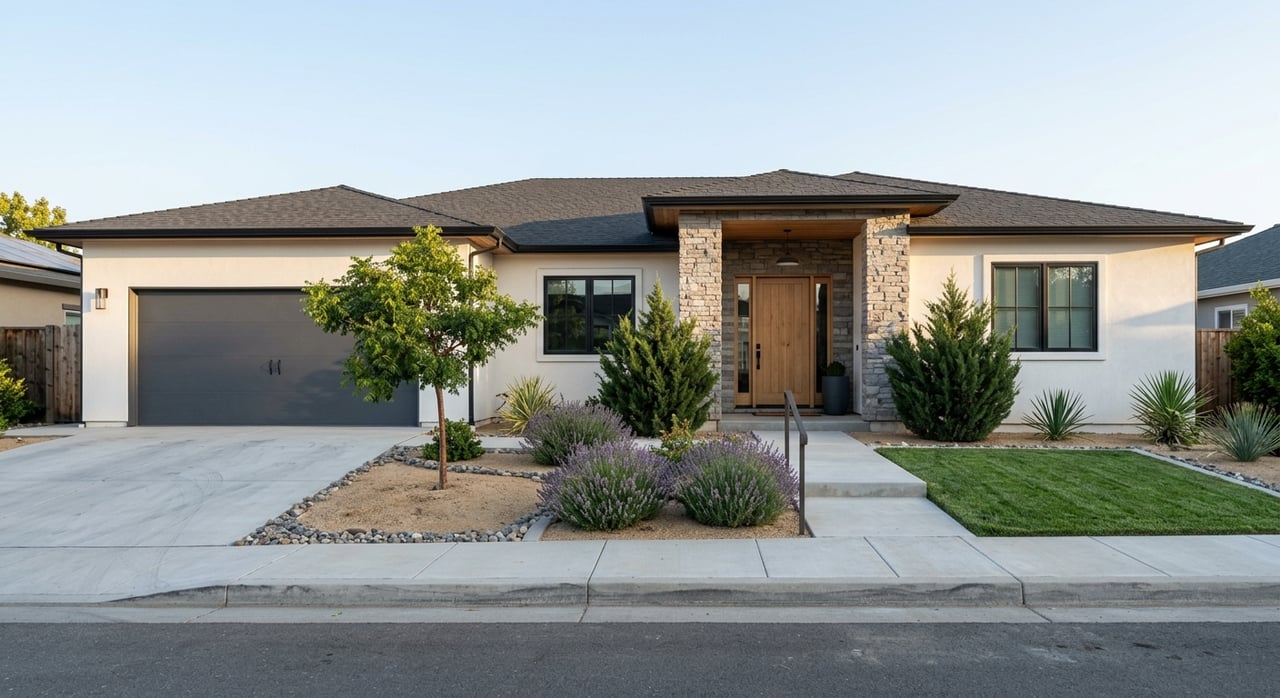
If you have been waiting for Reno inventory to finally tip the market in buyers’ favor, the latest numbers tell a more nuanced story. You have more options than buyers had during the tightest recent years, but you still cannot assume every seller is ready to slash the price or offer big concessions. The good news is that a changing market creates opportunities if you know where to push, where to move quickly, and how to protect your budget. Let’s dive in.
Reno inventory right now
As of February 2026, Realtor.com’s Reno market overview shows 1,505 homes for sale, a 53-day median time on market, and a 99% sale-to-list ratio. Realtor.com labels Reno a balanced market, which is a big shift from the ultra-competitive feel many buyers remember.
That said, balanced does not mean easy. Redfin’s Reno housing market page describes Reno as somewhat competitive, with homes receiving about two offers on average, selling in 74 days, and closing at about 98.7% of list price.
The simplest takeaway is this: Reno is no longer acting like an extreme shortage market, but it has not shifted into a clear buyer’s market either. You may have more breathing room, but you still need a strategy.
Washoe County tells a tighter story
If you are looking beyond Reno city limits, the broader county data matters. Realtor.com’s Washoe County market page shows 2,357 homes for sale, a 51-day median time on market, and a 99% sale-to-list ratio, while labeling the county a seller’s market.
That same county report shows a meaningful split within the region. Reno had 1,505 homes for sale, while Sparks had 562, and Sparks moved faster with a 40-day median time on market.
This is why broad headlines can be misleading. Reno, Sparks, and the rest of Washoe County are not moving at the same speed, so your leverage may change depending on where you are shopping.
What changing inventory actually means
Inventory matters because it shapes your choices and your negotiating power. In general, Realtor.com’s 2026 housing forecast notes that more supply usually leads to slower market conditions and more room for buyers to negotiate.
A common rule of thumb is that less than 4 months of supply points to a seller’s market, 4 to 6 months looks more balanced, and 6 or more months begins to lean toward buyer’s market territory. Nationally, Realtor.com expects the U.S. market to average 4.6 months of supply in 2026, which it describes as balanced.
For you as a Reno buyer, the key question is not whether inventory has changed at all. It is whether it has changed enough to give you real leverage. Based on Reno’s current listings, time on market, and sale-to-list ratios, the answer looks like some leverage, but not unlimited leverage.
More options, not a flood of supply
One of the most important details in the current data is that inventory is not surging. According to Realtor.com’s Reno market data, Reno for-sale listings were down 2.33% year over year and down 4.97% from the prior month. In Washoe County, homes for sale were down 5.81% year over year.
That matters because it keeps the market from tipping too far toward buyers. You may see more listings than you did during the tightest periods, but the market is not suddenly flooded with homes.
So if you are hoping for a wave of desperate sellers across the board, the current numbers do not support that. Instead, this is a market where selectivity helps, but strong listings can still attract quick action.
Is Reno a buyer’s market?
Not broadly. Realtor.com calls Reno balanced, Washoe County seller-leaning, and Redfin describes Reno as somewhat competitive.
Those labels all point to the same practical reality. Buyers have more room than they did in the most heated conditions, but there is still enough competition that good homes can move fast and sell close to asking.
If you are shopping in Reno today, it helps to think of the market as split. Some homes will feel competitive right away, while others will sit long enough to create negotiation opportunities.
Where buyers have more leverage
Not every listing deserves the same offer strategy. In the current Reno market, your best negotiating opportunities are often with homes that have been sitting longer, have had one or more price cuts, or appear to have missed the mark on pricing from the start.
Redfin’s Reno data shows that 20.9% of homes had price drops and that the average home sold for about 2% below list price. That is a useful sign that some sellers are adjusting to the market and becoming more flexible.
When you see a listing with extra days on market, a recent price reduction, or weaker showing activity, you may have room to negotiate on:
- Purchase price
- Inspection-related repairs
- Repair credits
- Closing-cost assistance
- Other clean, buyer-friendly terms
This is where market awareness can save you money. The longer a listing has lingered, the more likely the seller is open to a realistic conversation.
Where speed still matters
Even with changing inventory, some homes still attract attention quickly. Redfin reports that some Reno homes receive multiple offers, and its hot homes can go pending in about 33 days while selling near list price.
If a home is well-priced, updated, or in a part of Reno with stronger buyer demand, waiting too long can still cost you the opportunity. In those cases, your edge often comes from preparation rather than bargain hunting.
That means having a strong preapproval, knowing your price ceiling before you tour, and being ready to make a decision without rushing past your due diligence. You do not need to overpay to compete, but you do need to be organized.
A smart two-bucket strategy
One of the simplest ways to navigate changing inventory is to sort listings into two buckets.
Bucket one: competitive homes
These are the homes that look priced correctly, show well, and are likely to attract attention quickly. For these properties, your best move is usually to focus on strength and clarity.
That can mean:
- Getting preapproved before you shop
- Reviewing disclosures quickly
- Moving fast on tours
- Writing clean, realistic terms
- Staying close to market value
Bucket two: stale or overpriced homes
These are the homes that have been on the market longer, have had price cuts, or seem overpriced compared with recent competition. Here, you may have more room to negotiate without losing the deal.
That can mean:
- Offering below list when the data supports it
- Asking for repair credits after inspections
- Requesting closing-cost help
- Negotiating more favorable timelines or terms
This approach helps you avoid a common buyer mistake: using the same offer strategy on every home. In Reno right now, the better move is to match your approach to the listing’s position in the market.
What this means for first-time buyers
If you are buying your first home, this market may feel a little more manageable than the frenzy years, but it still rewards preparation. You may have more time to compare homes and a little more room to negotiate, which can reduce the pressure to make snap decisions.
At the same time, affordability still matters more than market labels. A balanced market does not protect you from overextending your budget or buying a home that needs more work than you expected.
That is why it helps to think beyond the headline price. Your monthly payment, repair risk, inspection findings, and long-term plans still matter just as much as whether inventory is rising or falling.
What this means for investor-minded buyers
If you are shopping with an investment lens, changing inventory can create better entry points, but only on the right properties. More options can help you compare location, condition, and pricing more carefully rather than chasing the first available deal.
In a market like Reno, where supply has improved but not exploded, the best opportunities are often in listings that need sharper analysis. A price reduction alone does not make a home a good buy. You still need the numbers, condition, and exit strategy to make sense.
That is especially true in submarkets that move differently. Reno, Sparks, and the rest of Washoe County can offer different timelines, competition levels, and negotiation room, so local context matters.
Should you wait for more inventory?
That depends on your timeline and your budget, not just the headlines. Current Reno and Washoe County data do not show a true buyer’s market, so waiting may or may not improve your options in a meaningful way.
If you need to move soon, the stronger approach is usually to buy based on affordability and fit, then use current inventory conditions to negotiate where the listing gives you room. If your timeline is flexible, you can keep watching supply levels and be selective.
Either way, the market today rewards patience and readiness. You want enough patience to avoid forcing a deal, and enough readiness to act when the right home appears.
The real opportunity for Reno buyers
The biggest shift in Reno is not that buyers suddenly hold all the power. It is that you now have a better chance to make a thoughtful decision instead of reacting in panic.
That is a meaningful advantage. More choice can give you room to compare homes, spot overpricing, and negotiate more strategically, especially when a listing has gone stale.
But good strategy still matters because Reno is sitting in the middle ground. There is enough inventory to create options, but not enough to erase competition.
If you want help reading the market home by home, Valarie Jackson brings a calm, numbers-aware approach to Reno real estate so you can make a move that protects both your lifestyle and your long-term financial goals.
FAQs
Is Reno a buyer’s market for home buyers in 2026?
- Not broadly. Current data shows Reno as balanced or somewhat competitive rather than a clear buyer’s market.
What does changing inventory mean for Reno home buyers?
- It means you may have more choices and some added negotiating room, but not enough supply to expect discounts on every home.
Which Reno listings give buyers the most negotiating leverage?
- Homes with longer days on market, repeated price cuts, or signs of weaker demand usually offer the best opportunity to negotiate price or concessions.
Should Reno buyers move quickly on well-priced homes?
- Yes. Some well-priced Reno homes still receive multiple offers and can go pending faster than the broader market.
How does Washoe County inventory affect Reno-area buyers?
- It shows that submarkets move differently. Reno, Sparks, and other parts of Washoe County can have different speeds and negotiation conditions.
Should first-time buyers wait for more Reno inventory?
- Not automatically. If you need to move soon, focusing on affordability and using current conditions strategically may matter more than waiting for a major market shift.