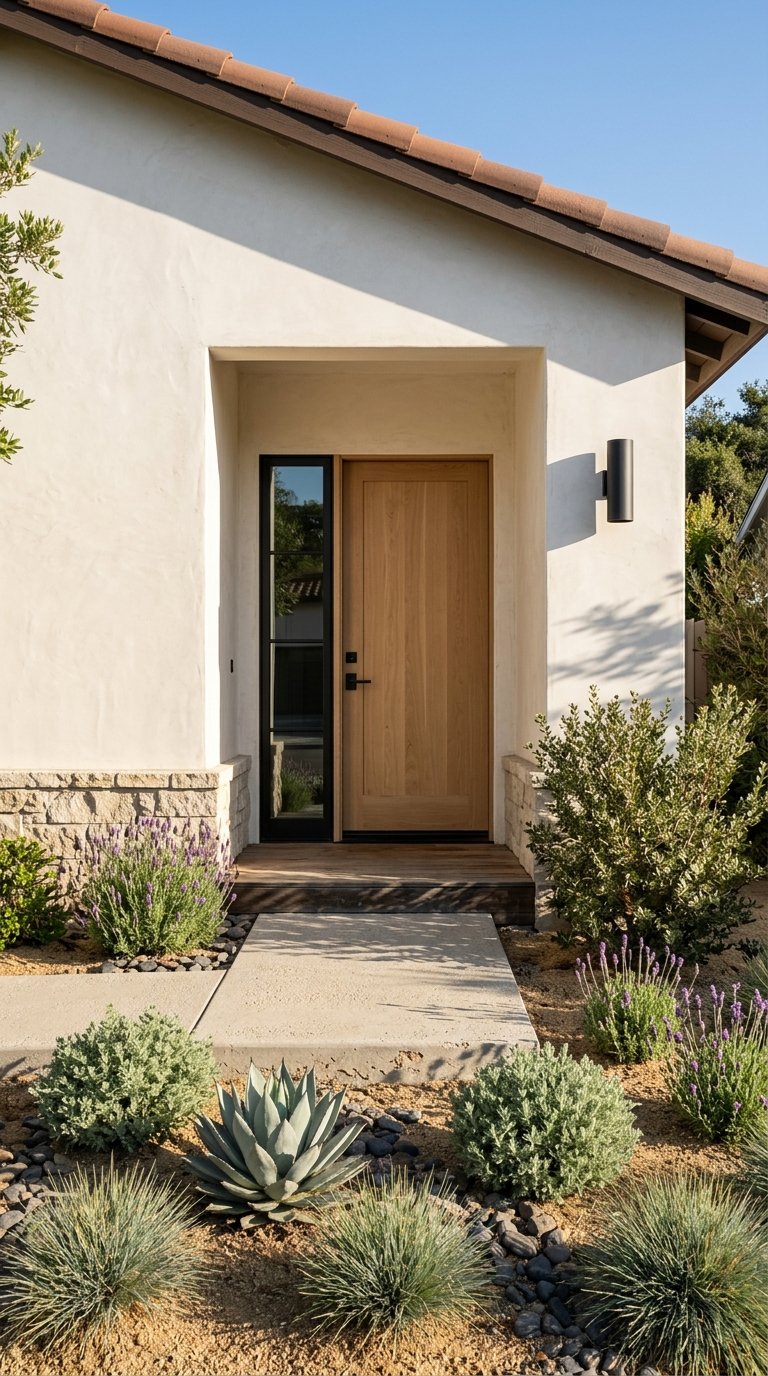
Wondering how to price your home in Sparks without leaving money on the table or watching it sit too long? You are not alone. In a market where some homes move close to list price while others need reductions, smart pricing is less about luck and more about strategy. If you want to sell with confidence, the goal is to price for your exact neighborhood, your home’s condition, and today’s buyer behavior. Let’s dive in.
Why pricing matters in Sparks
Sparks is active, but it is not a market where you can pick a number and hope for the best. Redfin’s March 2026 data shows a median sale price of $538,168, a 41-day median time on market, and a 99.4% sale-to-list ratio. At the same time, 22.5% of homes sold above list, which shows there is still real demand for well-priced homes.
That said, the market also rewards precision. Redfin reports that 21.3% of Sparks homes had price drops in March 2026. That is a strong reminder that pricing too high can reduce showings, weaken momentum, and lead to cuts that could have been avoided.
Realtor.com’s Sparks market data points in a similar direction, with a $589,900 median listing price, 562 active listings, a 40-day median days on market, and a 100% sale-to-list ratio. Even though the exact numbers differ by source, the takeaway is the same: accurate pricing matters more than guesswork.
Start with your micro-market
One of the biggest pricing mistakes in Sparks is using a citywide average as your guide. Sparks behaves more like several smaller submarkets than one single market. A home in one area may attract a different buyer pool, face different competition, and move on a different timeline than a similar-sized home elsewhere.
That is why a pricing strategy should begin with your exact neighborhood or ZIP code. According to Realtor.com’s Sparks local market pages, pricing and pace vary quite a bit across the city.
Neighborhood differences to know
Here are a few examples from current Sparks submarkets:
- Downtown Sparks: 21 homes for sale, $274,500 median listing price, 52 median days on market, and homes selling around 99% of list.
- Kiley Ranch: 11 homes for sale, $587,500 median listing price, 28 median days on market, and homes selling around 100% of list.
- Sparks Galleria: 23 homes for sale, $515,000 median listing price, 31 median days on market, and homes selling around 100% of list.
- D’Andrea: 9 homes for sale, $589,900 median listing price, 77 median days on market, and homes selling around 99% of list.
- Wingfield Springs: 112 homes for sale, $699,900 median listing price, 43 median days on market, and homes selling around 100% of list.
These stats come from Realtor.com pages for Downtown Sparks, Kiley Ranch, Sparks Galleria, D’Andrea, and Wingfield Springs.
ZIP codes tell the same story. Realtor.com shows median listing prices ranging from $352,500 in 89431 to $764,000 in 89441, with 89434 at $452,450 and 89436 at $624,895. That spread is exactly why a city average alone can lead you off course.
Use a CMA, not a guess
If you want a smart list price, you need a strong comparative market analysis, or CMA. According to the National Association of Realtors consumer pricing guide, pricing should reflect similar recently sold homes in the same area, plus current active listings and under-contract homes when possible.
A real CMA also adjusts for the details that matter in real life. That includes:
- Size and layout
- Location within the neighborhood
- Lot characteristics
- Condition and needed repairs
- Upgrades and amenities
- Seller concessions
- Current market conditions
In other words, your home is not priced by square footage alone. It is priced by how it compares to what buyers can buy right now and what similar homes have actually achieved.
What a Sparks seller should review
A useful pricing review should answer a few practical questions:
- What have similar homes sold for nearby?
- How long did those homes take to sell?
- What homes are active right now and competing with yours?
- Are buyers paying full price in your area or negotiating more?
- How does your home’s condition compare to the competition?
This is where strategy starts to protect your equity. If your home is cleaner, more updated, or better presented than nearby listings, that can support stronger pricing. If it needs repairs or has dated finishes, the list price should reflect that reality upfront.
Condition affects price more than many sellers expect
Pricing is not just about the market. It is also about presentation. NAR notes that condition, repairs, upgrades, and amenities all factor into pricing recommendations, which means your home’s readiness can influence both value and buyer response.
That matters because buyers compare homes quickly. If your home feels move-in ready and well cared for, buyers may see stronger value at the same price point than they would in a home that feels like a project.
Staging and prep can support your number
According to NAR’s 2025 staging report, 29% of agents said staged homes received offers that were 1% to 10% higher in dollar value, and 49% said staging reduced time on market. That does not mean every home needs a full redesign. It does mean presentation can support your asking price.
The same report found that the most common seller prep recommendations were:
- Decluttering
- Cleaning the entire home
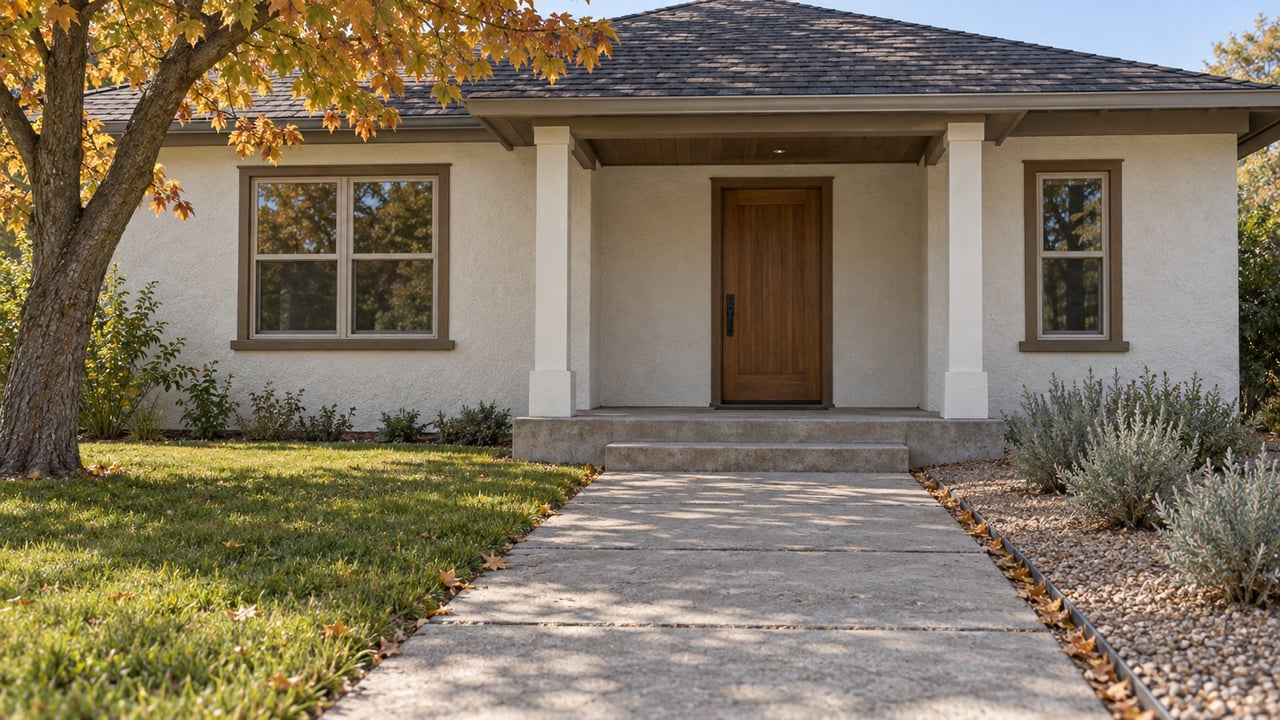
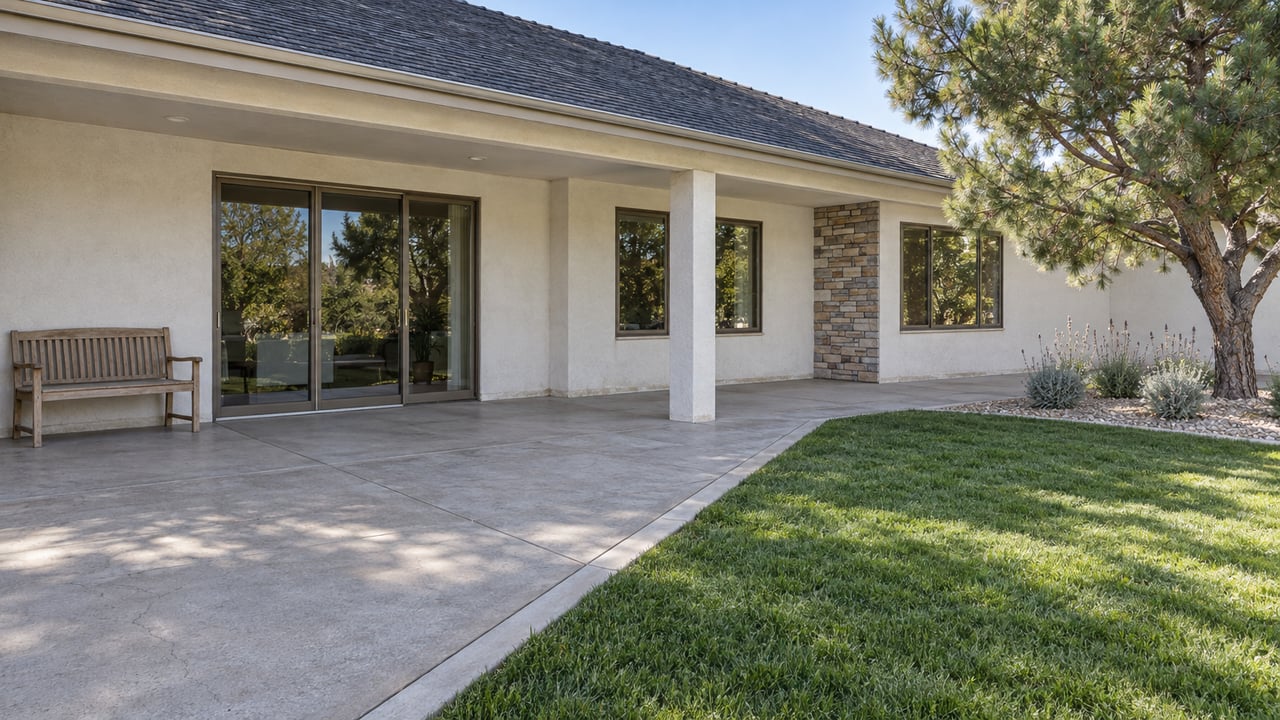
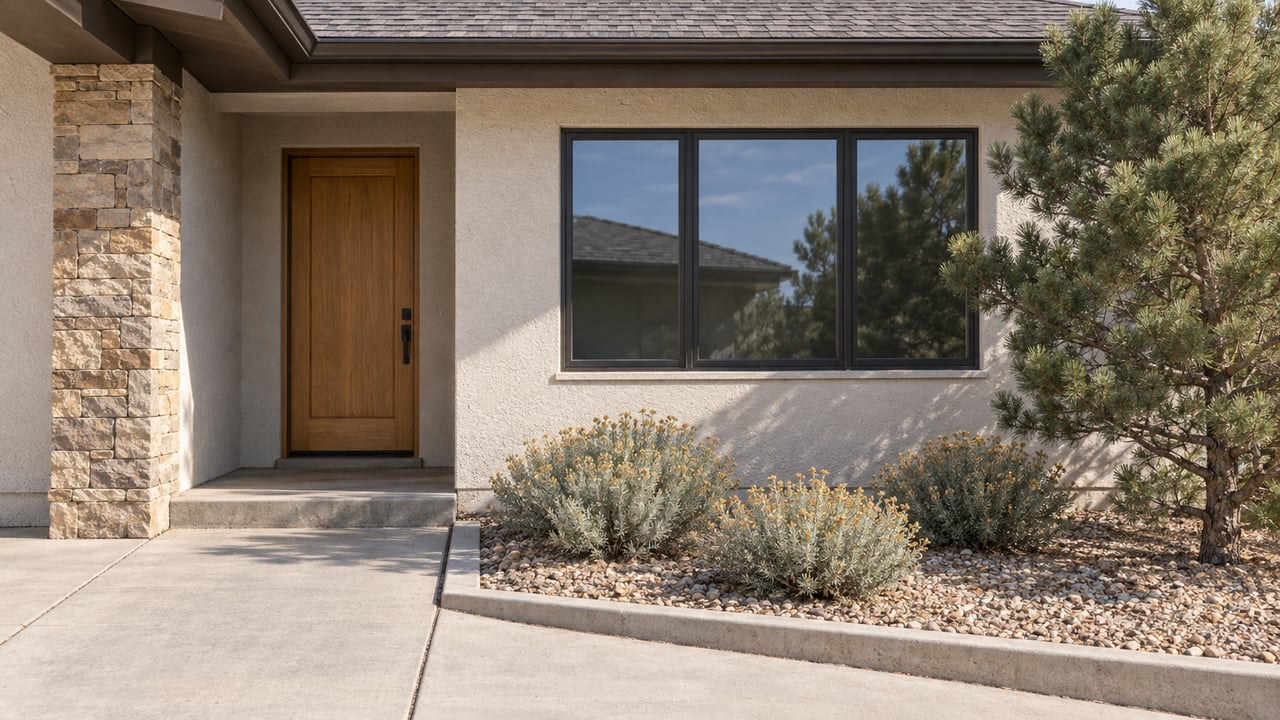
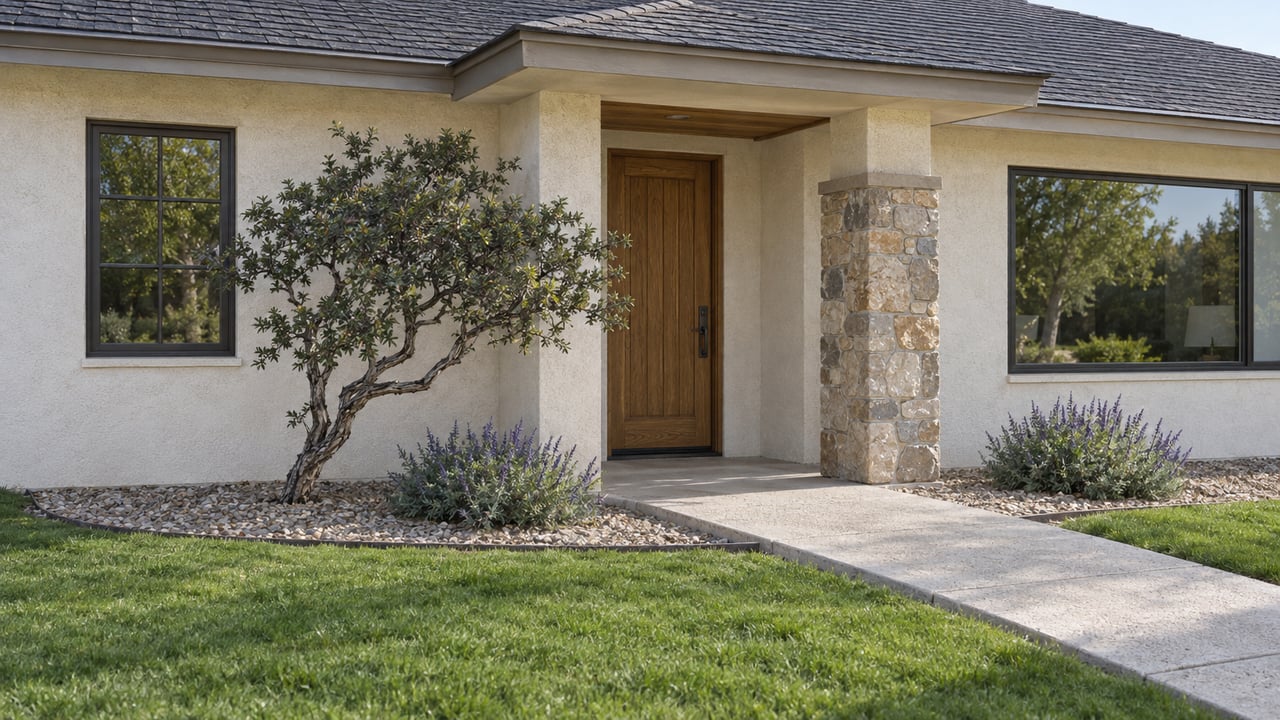
- Improving curb appeal
NAR also reports that the living room is the most important room to stage, followed by the primary bedroom and kitchen. On the exterior side, NAR found that 92% of REALTORS® recommend curb appeal improvements before listing, and 97% believe curb appeal matters in attracting a buyer.
For many Sparks sellers, the smart move is simple: do the practical prep first, then price the home based on how it will actually show online and in person.
Price for attention, not just ambition
A common fear is pricing too low. A just as costly mistake is pricing too high and missing the first wave of buyer attention. In today’s Sparks market, a home does not need to be underpriced to attract interest. It does need to feel credible compared with nearby options.
Redfin’s Sparks market page says homes receive 2 offers on average, sell for about 1% below list on average, and that hot homes can sell around list and go pending in about 23 days. That tells you buyer demand exists, but it is not blind. Buyers are still comparing value.
When your price is close to market value, you are more likely to:
- Generate stronger early interest
- Encourage better showing activity
- Avoid stale-listing signals
- Reduce the odds of future price cuts
- Put yourself in a better position when offers arrive
The highest price is not always the best strategy
NAR’s pricing guide points out that sellers who want to move quickly may choose a more competitive list price, while sellers with more flexibility may choose a higher number and accept a longer sale timeline. It also notes that the highest offer is not always the best offer, especially when financing strength, contingencies, and cash terms differ.
That is an important mindset shift. Smart pricing is not only about the list number. It is about your full outcome, including timing, leverage, and the quality of the offers you attract.
Match price to your goals
The right price depends partly on what you want your sale to accomplish. If you are buying another home, downsizing, relocating, or trying to preserve as much equity as possible, your pricing strategy should match that plan.
A few examples:
- If timing matters most: A sharper price may help you move faster and reduce uncertainty.
- If you have more flexibility: You may test a slightly stronger number, but you should do it with a clear backup plan.
- If your home needs work: Pricing realistically from day one can be better than aiming high and chasing the market later.
- If your home stands out well: Strong presentation and accurate pricing can help you compete for near-list or even above-list offers.
This is where a protective, numbers-aware approach matters. You want a list price that supports your goals and reflects how buyers are likely to respond, not just what you hope the market will do.
A simple pricing framework for Sparks sellers
If you are planning to sell in the next 3 to 12 months, this is a practical framework to follow:
1. Review recent local solds
Look at homes that are truly similar in location, size, style, and condition. The closer the comp, the more useful it is.
2. Study active competition
Your buyer is shopping against current listings, not past headlines. If nearby homes offer more updates or better presentation at a similar price, your list price should account for that.
3. Adjust for condition
Repairs, upgrades, layout, lot, and overall presentation all affect what buyers are willing to pay. Price the home you are actually listing, not the one you wish you were listing.
4. Watch days on market
Speed matters. If similar homes in your area are moving in 28 to 31 days, but yours sits much longer, buyers may assume something is off.
5. Be honest about first-week impact
The first days on market often bring your best visibility. A well-priced home can build momentum early, while an overpriced one can lose leverage fast.
Smart pricing protects your bottom line
In Sparks, pricing is not a one-size-fits-all exercise. The numbers show a market where homes can still sell close to list and sometimes above it, but they also show that many sellers miss the mark and reduce later. The difference usually comes down to neighborhood-level analysis, realistic condition adjustments, and a plan that fits your goals.
If you want to sell with less guesswork and more strategy, working from a local, data-driven pricing plan is one of the best ways to protect your equity. If you are thinking about selling in Sparks, Valarie Jackson can help you evaluate your home, review the right comps, and build a pricing strategy that fits both the market and your next move.
FAQs
How should you price a home in Sparks, NV?
- You should price your home using a comparative market analysis based on recent sold homes, active competition, days on market, list-to-sale ratios, and your home’s condition in your specific Sparks neighborhood.
Why is neighborhood pricing important in Sparks?
- Neighborhood pricing matters in Sparks because local markets vary widely in price, inventory, and pace, from areas like Downtown Sparks to Wingfield Springs, so citywide averages can be misleading.
Does staging help when selling a home in Sparks?
- Yes. NAR reports that staging can improve offer value and reduce time on market, especially when sellers focus on decluttering, deep cleaning, and curb appeal.
What happens if you overprice a home in Sparks?
- Overpricing can slow showings, reduce early buyer interest, and increase the chance of price reductions later, which may weaken your negotiating position.
What should a CMA include for a Sparks home sale?
- A strong CMA should include recent nearby solds, under-contract and active listings, neighborhood-specific trends, condition adjustments, and a review of how quickly similar homes are selling.